Ageing as a woman in gentrified Lisbon: what one resident's story reveals about the city's changing neighbourhoods
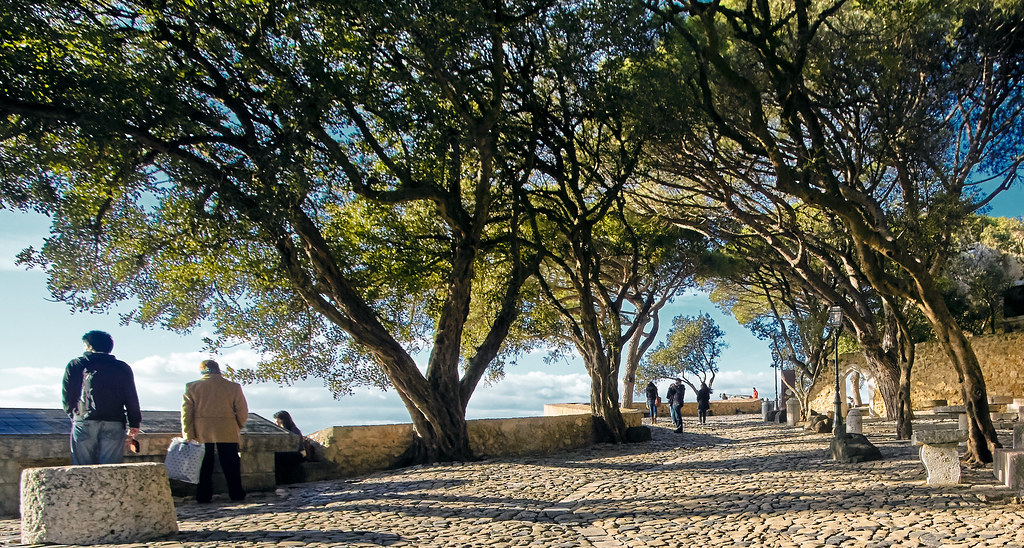
 Lisbon
Photo: szeke · BY-SA · via Openverse
Ageing as a woman in gentrified Lisbon
What happened
On 9 October 2026, the Lisbon-based outlet Lisboa Para Pessoas published a reported feature on what it means to grow old as a woman in a gentrifying city, under the headline "Envelhecer como mulher na Lisboa gentrificada" (Ageing as a woman in gentrified Lisbon).
The article opens with Deolinda, a 74-year-old woman who lives alone on the fourth floor of a building with no lift — in the same house where she was born. According to the piece, she uses sleeping pills to cope with the noise from her neighbourhood's nightlife. The feature also introduces Maria, the second-floor neighbour with whom Deolinda used to walk every morning, who was evicted and whose home was subsequently transformed.
The published excerpt available at the time of writing does not set out further details of Maria's case, the building, or any policy response. The full article is available via the source link below.
Why it matters for international residents
Stories like this sit at the intersection of several trends that shape daily life for foreigners living in Lisbon: rising housing costs, the conversion of long-standing residential buildings, and the noise and foot traffic that come with a neighbourhood's night-time economy.
For international residents, the practical implications are twofold. First, the people most affected by these changes are often the least mobile — elderly neighbours on fixed incomes, in buildings without lifts, who have lived in the area far longer than most newcomers. Recognising that context is part of being a good neighbour and a well-informed resident. Second, the same market pressures that displace long-term tenants can affect renters of any nationality: lease security, building conditions, and neighbourhood noise are not abstract issues but questions that newcomers may also face.
Reading local Portuguese-language media is one of the most direct ways to understand how a parish, freguesia, or street is changing — context that rarely appears in English-language expat channels.
What to do next
- Read the full article at Lisboa Para Pessoas for the complete account, including any details beyond the published excerpt.
- Be considerate about noise in residential buildings, particularly late at night and in areas with a mix of long-term residents and short-stay visitors.
- Get to know your neighbours, including older residents who may have lived in the building or street for decades and can offer useful context about the area.
- If you rent, familiarise yourself with the terms of your own lease and the condition of the building, and keep records of communication with your landlord regarding repairs or noise.
- For housing, eviction or tenancy questions, seek information from official Portuguese channels or a qualified professional rather than relying on second-hand accounts.
- Follow local media in Portuguese to track housing and neighbourhood developments in your area.
This briefing is for general information only and is not legal, tax, medical, or immigration advice.
Sources
- Lisboa Para Pessoas — "Envelhecer como mulher na Lisboa gentrificada", published 9 October 2026: https://lisboaparapessoas.pt/2026/10/09/envelhecer-mulher-lisboa-gentrificada